Soy vs paraffin: which candle is kinder?
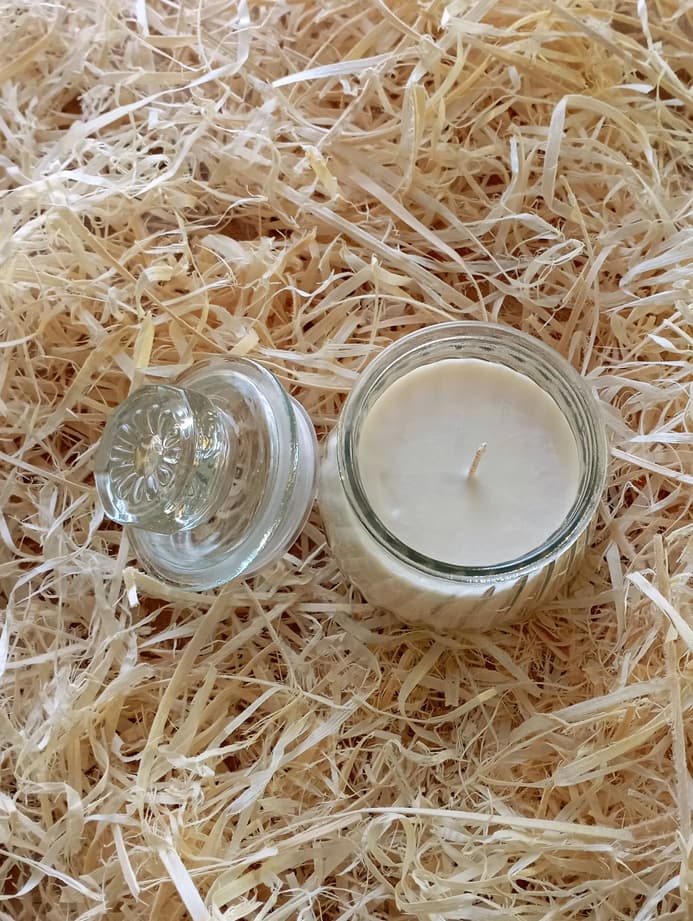
“Natural wax”, “clean burning”, “eco soy” candle labels are full of lovely words. But what actually sits behind them? Here’s an honest, plain-language comparison.
What they’re made of
Paraffin is a by-product of refining crude oil. It’s cheap, holds colour and scent well, and is what most mass-market candles are made from.
Soy wax is made from the oil of soybeans a renewable crop. It’s a newer, plant-based alternative that burns a little differently.
How they burn
- Burn time: soy burns cooler and slower, so a soy candle generally lasts longer than a paraffin one of the same size.
- Scent: paraffin throws scent hard and fast; soy releases it gently and evenly, which many people find more pleasant in a room over a whole evening.
- Soot: any candle will soot if you don’t trim the wick but a well-made soy candle, properly tended, tends to burn cleaner.
The greener choice
Soy is renewable and biodegradable, where paraffin is a fossil-fuel product. For us that settles it, with one caveat worth being honest about: soy farming has its own footprint, so where and how the wax is sourced matters too. “Plant-based” isn’t a free pass it’s a better starting point.
What we pour
We choose natural, plant-based wax, cotton wicks and considered fragrance and we design our vessels to be refilled and reused rather than thrown away. It costs a little more and burns a little slower, and we think that’s exactly right for something meant to bring calm into your home.
If you take one thing from this: a well-made candle, burned with care, is always the kinder candle. The way you look after it matters as much as the wax.
More from the journal
All posts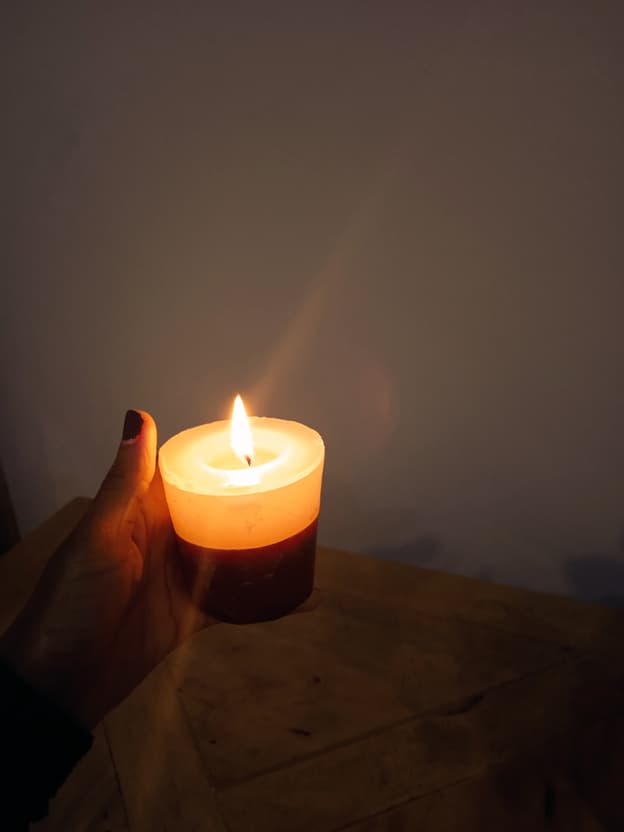 2 min
2 minCandle care
How to care for your candle
A few small habits make a handmade candle burn cleaner, last longer and stay beautiful to the very end. Here’s how we look after ours.
10 June 2026
 3 min
3 minScent & Memory
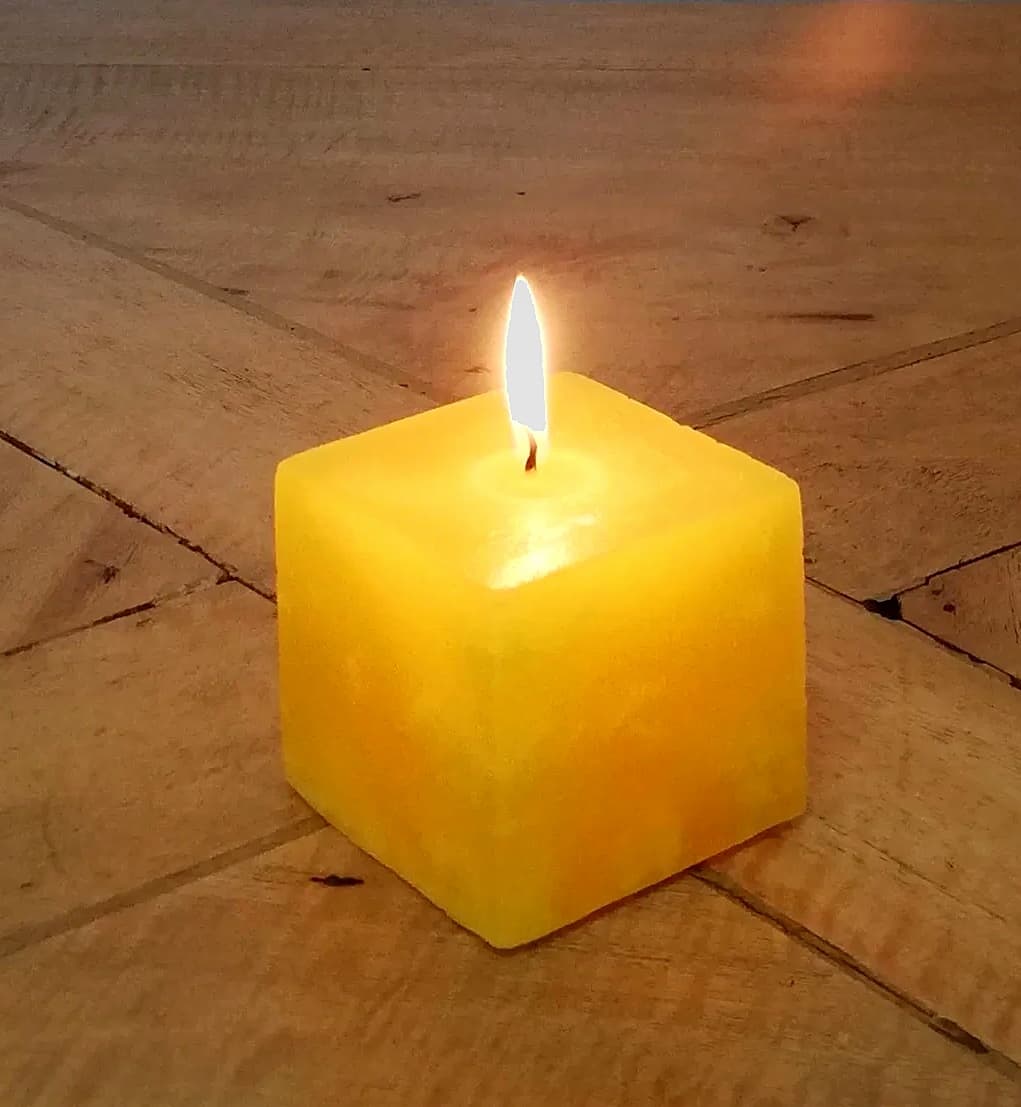
The Nose Remembers First
Ask someone what they love, and they'll struggle to find the words. Put it under their nose instead, and the answer arrives before the explanation does.
23 August 2026
 3 min
3 minImpepho
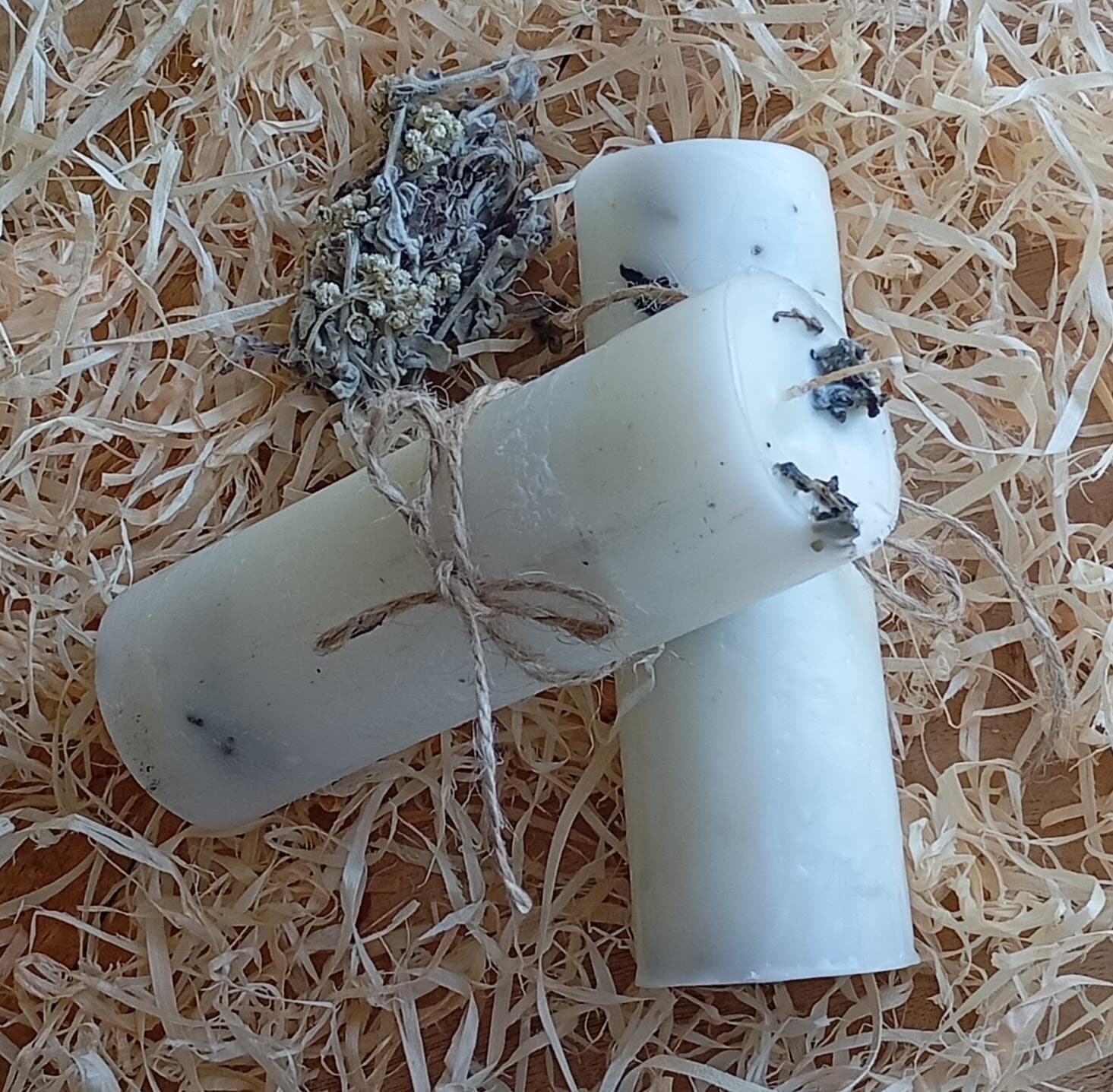
Impepho: the herb behind Herbal Union
Impepho is one of southern Africa's most significant plants, burned for generations to cleanse, connect and calm. Here's what it is, and why it went into Herbal Union.
7 July 2026